
Adult Groups Program Options
| Program Type | 1.5 hours | 2 hours | 3 hours | 4 hours | 5-5.5 hours |
|---|---|---|---|---|---|
| Team Development Course | unavailable | x | x | x | x |
| TDC with the AT | unavailable | unavailable | x | x | x |
| TDC with the TTC | unavailable | unavailable | x | x | x |
| Professional Series | unavailable | x | x | x | x |
| Professional Workshops | x | x | x | x | x |
| Edge on Wheels (EOW) | x | x | x | not recommended | not recommended |
| Alpine Tower Open Climb | unavailable | x | x | x | unavailable |
| Minimum Group Size: We charge for 12 minimum, but will work with groups as small as 8 people and as large as 200 | |||||
Experiential Team Development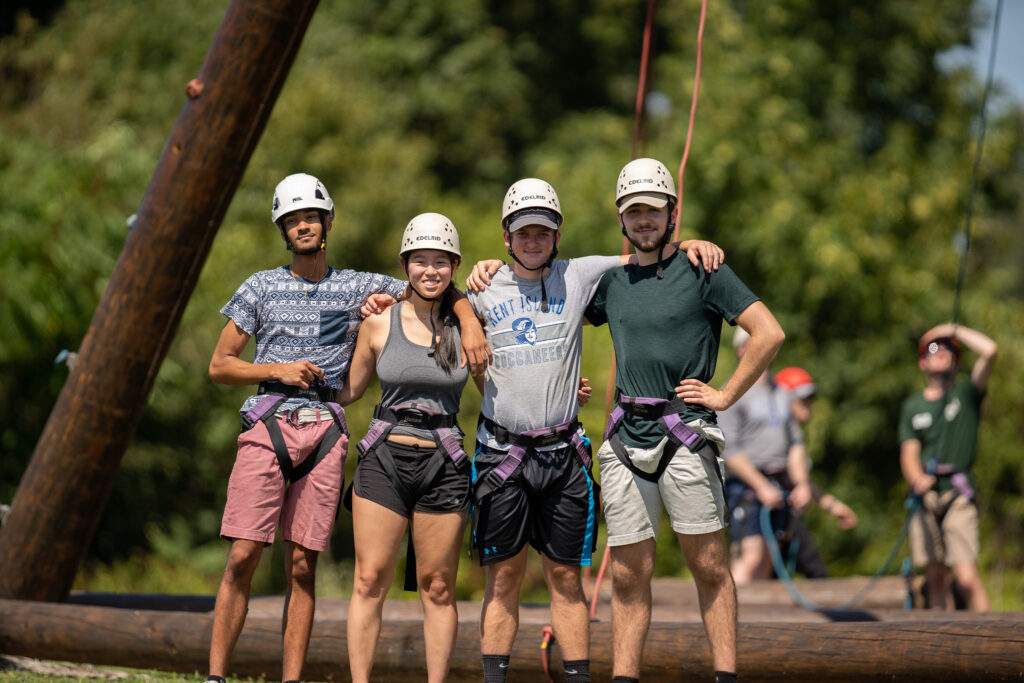
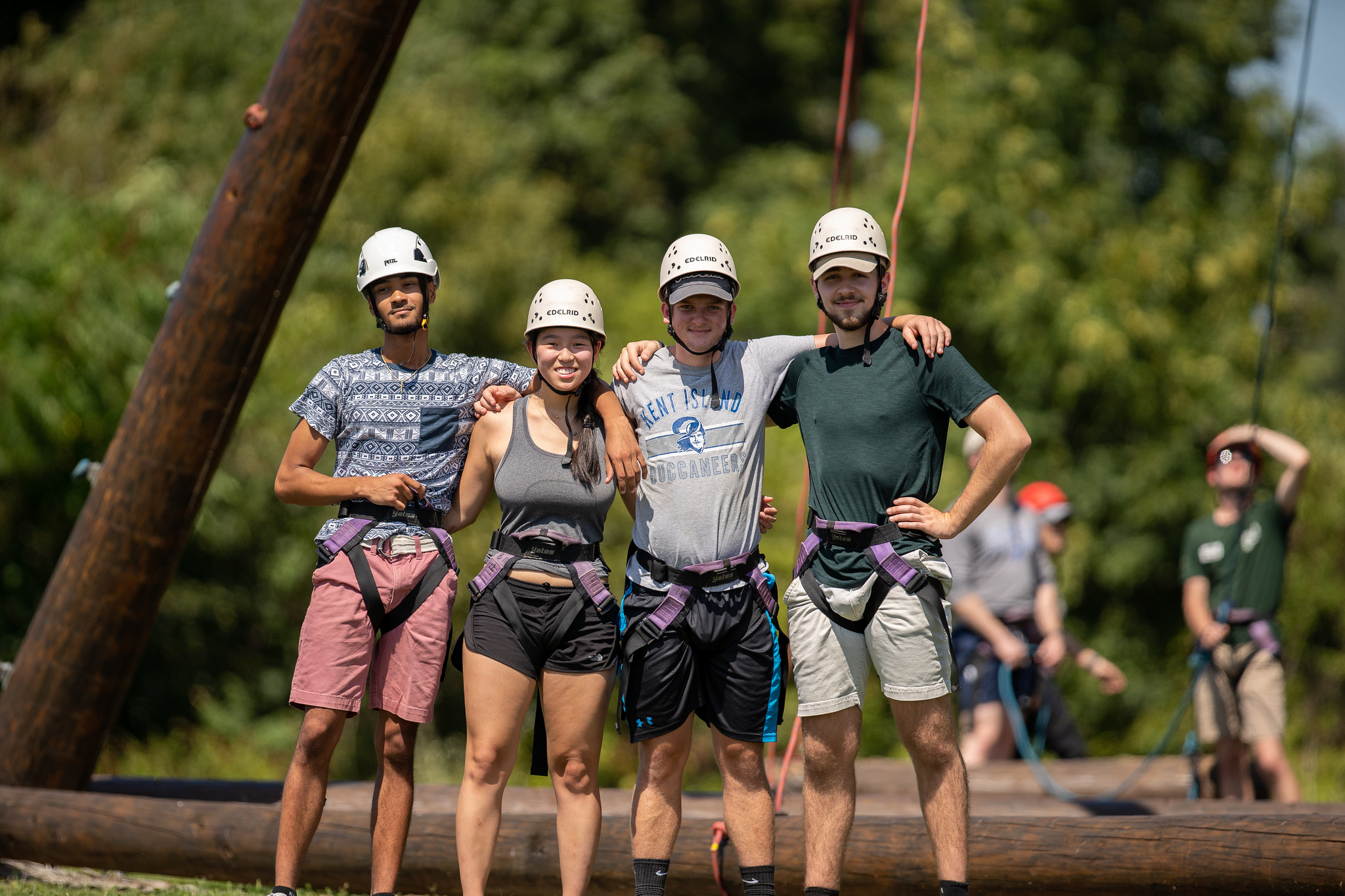
EDGE programs are grounded in adult learning research, which consistently shows that adults learn best through active experience paired with reflection. At EDGE, learning doesn’t stop with the activity — it continues through guided processing conversations that help participants connect what they experienced to real workplace challenges.
EDGE programs follow a clear, intentional learning process:
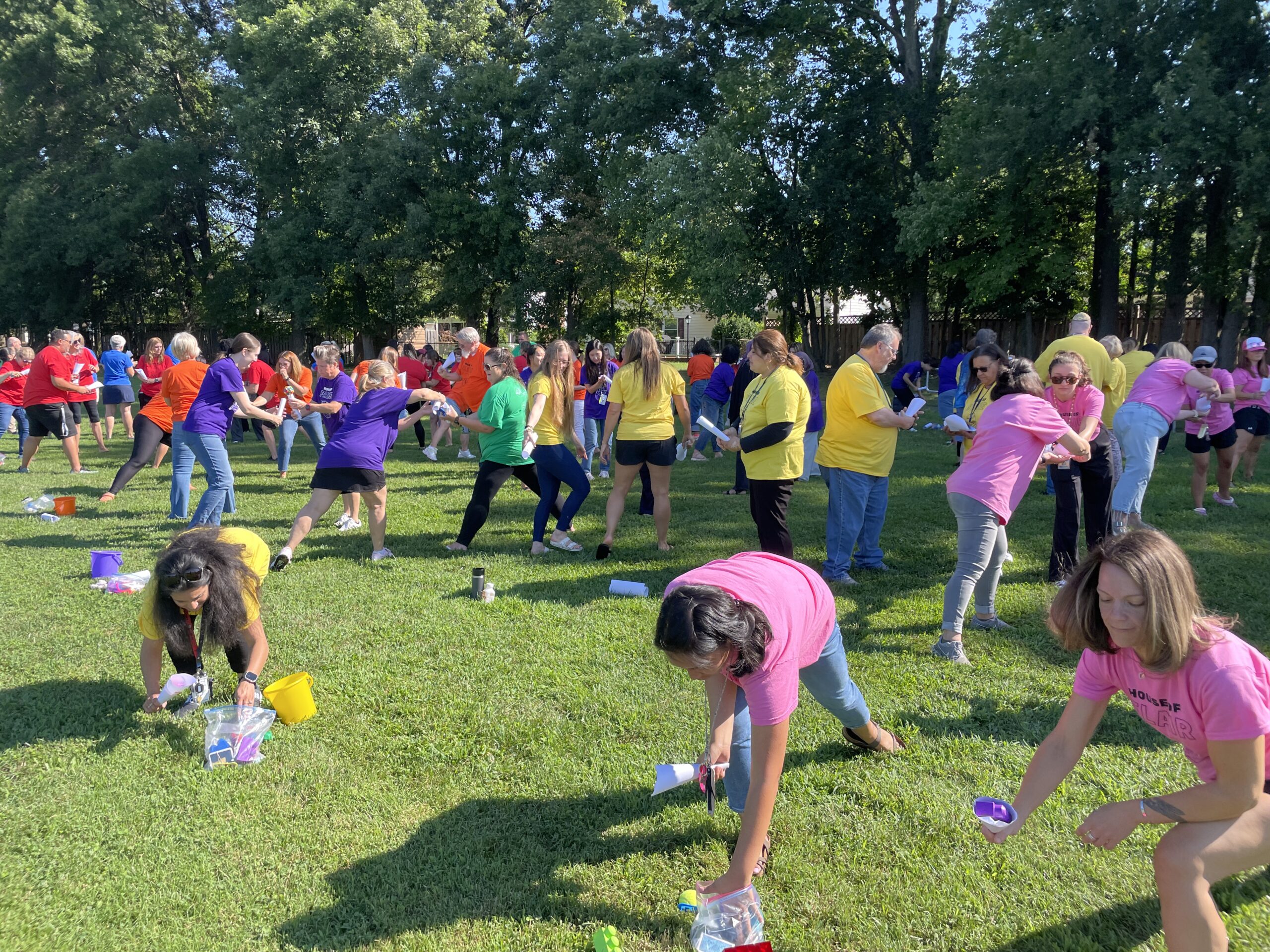
- Experience: Teams engage in hands-on challenges that surface real dynamics around communication, leadership, trust, and decision-making.
- Reflection: Facilitated dialogue helps participants examine what happened, how they worked together, and why it mattered.
- Application: Teams identify practical takeaways they can apply directly to their work, relationships, and organizational culture.
This approach ensures learning is not theoretical, but relevant and transferable.
What Teams Gain
Organizations that engage in EDGE programs develop:
-
Stronger peer relationships and trust
-
Clearer communication and shared understanding
-
A common language for discussing team and organizational challenges
-
Tools for continuous learning and improvement
Teams often arrive as workgroups focused on tasks and leave with a stronger ability to reflect on how they work together — a critical factor in long-term effectiveness.
Why This Matters
Many organizations focus almost exclusively on outcomes, while rarely examining the processes that produce them. EDGE pr
ograms create space for teams to slow down, reflect, and intentionally improve how work gets done.
Rather than offering a one-time solution, EDGE introduces a repeatable process teams can continue using to adapt, learn, and grow — reducing unproductive workplace dynamics and supporting healthier, more resilient organizations.
Impact on Individuals
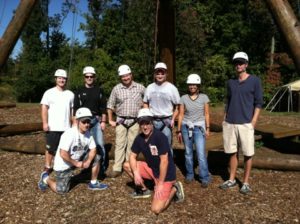
EDGE programs also support individual growth by helping participants:
- Increase awareness of their impact on others
- Take greater responsibility for their contributions
- Challenge assumptions and perceived limitations
- Engage more openly and constructively with colleagues
These individual shifts strengthen teams and contribute to more effective, collaborative work environments.