
Program Options
| Program Type | 1.5 hours | 2 hours | 3 hours | 4 hours | 5-5.5 hours |
|---|---|---|---|---|---|
| Team Development Course | unavailable | x | x | x | x |
| TDC with the AT | unavailable | unavailable | x | x | x |
| TDC with the TTC (high school only) | unavailable | unavailable | x | x | x |
| Professional Series for Teachers | x | x | x | x | x |
| Edge on Wheels (EOW) | x | x | x | unavailable | unavailable |
| Alpine Tower Open Climb | unavailable | x | x | x | unavailable |
| Minimum Group Size: We charge for 12 minimum, but will work with groups as small as 8 people and as large as 200 | |||||
Capacities
- We serve youth in 5th grade and older.
- Middle & Elementary students are divided into small groups of 12
- High School students are divided into small groups of 15
- Edge on Wheels programs can serve rotations of students (e.g. 65 in the morning, 75 in the afternoon) and may serve upwards of 200 students per day depending on program duration.
Learning That Extends the Classroom
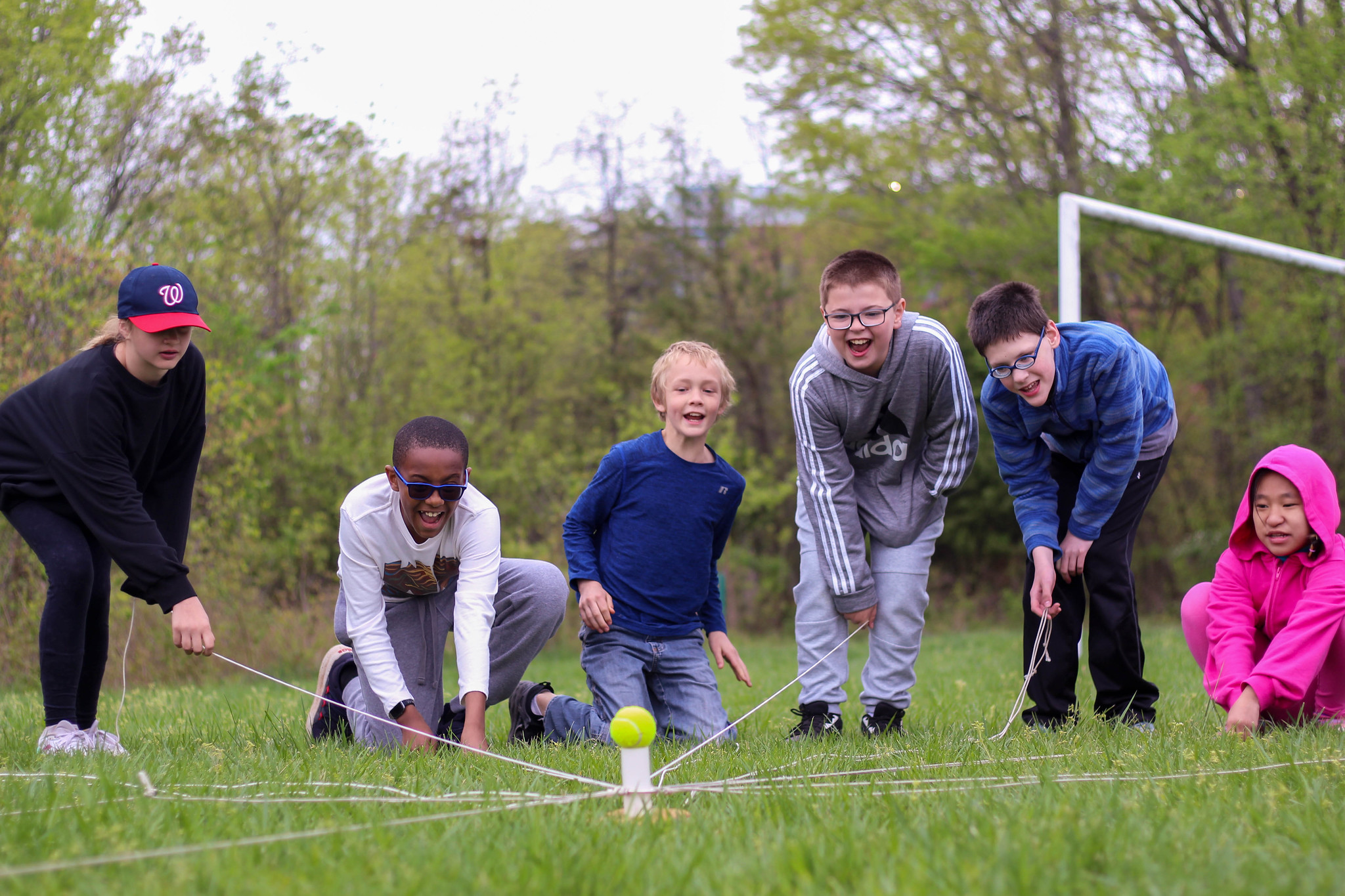
The EDGE offers educators a meaningful way to extend classroom learning through hands-on, engaging, and developmentally appropriate experiences in an outdoor learning environment. EDGE programs are designed to complement school goals by helping students apply academic, social, and emotional skills in real-time, collaborative settings.
Programs are facilitated by trained EDGE staff and typically serve groups of 12 students, using a combination of portable team challenges and low-ropes and high-ropes course elements.
All programming is aligned with and supportive of the Virginia Standards of Learning.
The EDGE Process
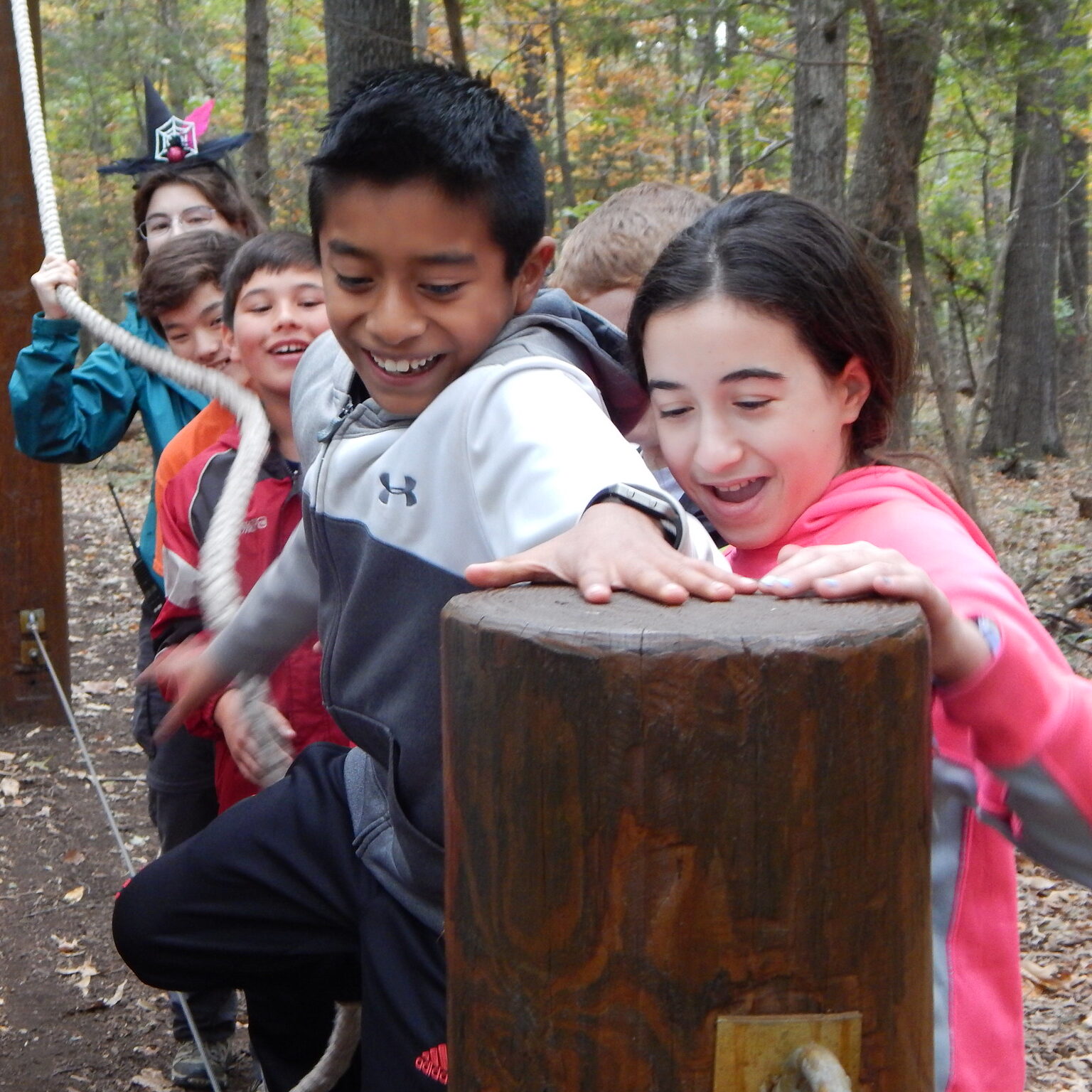
EDGE programs follow a clear, intentional learning process:
- Experience: Teams engage in hands-on challenges that surface real dynamics around communication, leadership, trust, and decision-making.
- Reflection: Facilitated dialogue helps participants examine what happened, how they worked together, and why it mattered.
- Application: Teams identify practical takeaways they can apply directly to their work, relationships, and organizational culture.
School Partnership & Student Support
Teachers and chaperones play an essential role in setting clear expectations before the field trip and supporting student behavior during EDGE programs to help ensure a safe, positive learning environment. We strongly encourage schools to provide students with the same behavioral, emotional, and learning supports at The EDGE that they receive in the classroom. To best support all learners, we ask schools to share relevant information about student needs in advance so programs can be thoughtfully designed to accommodate and support every participant.
Skill Development
EDGE experiences are intentionally structured to help students:
- Take ownership of their actions and choices
- Understand the impact of their decisions on
 themselves and others
 - Practice goal-setting, cooperation, and persistence
- Learn how to navigate challenges and setbacks in a supportive environment
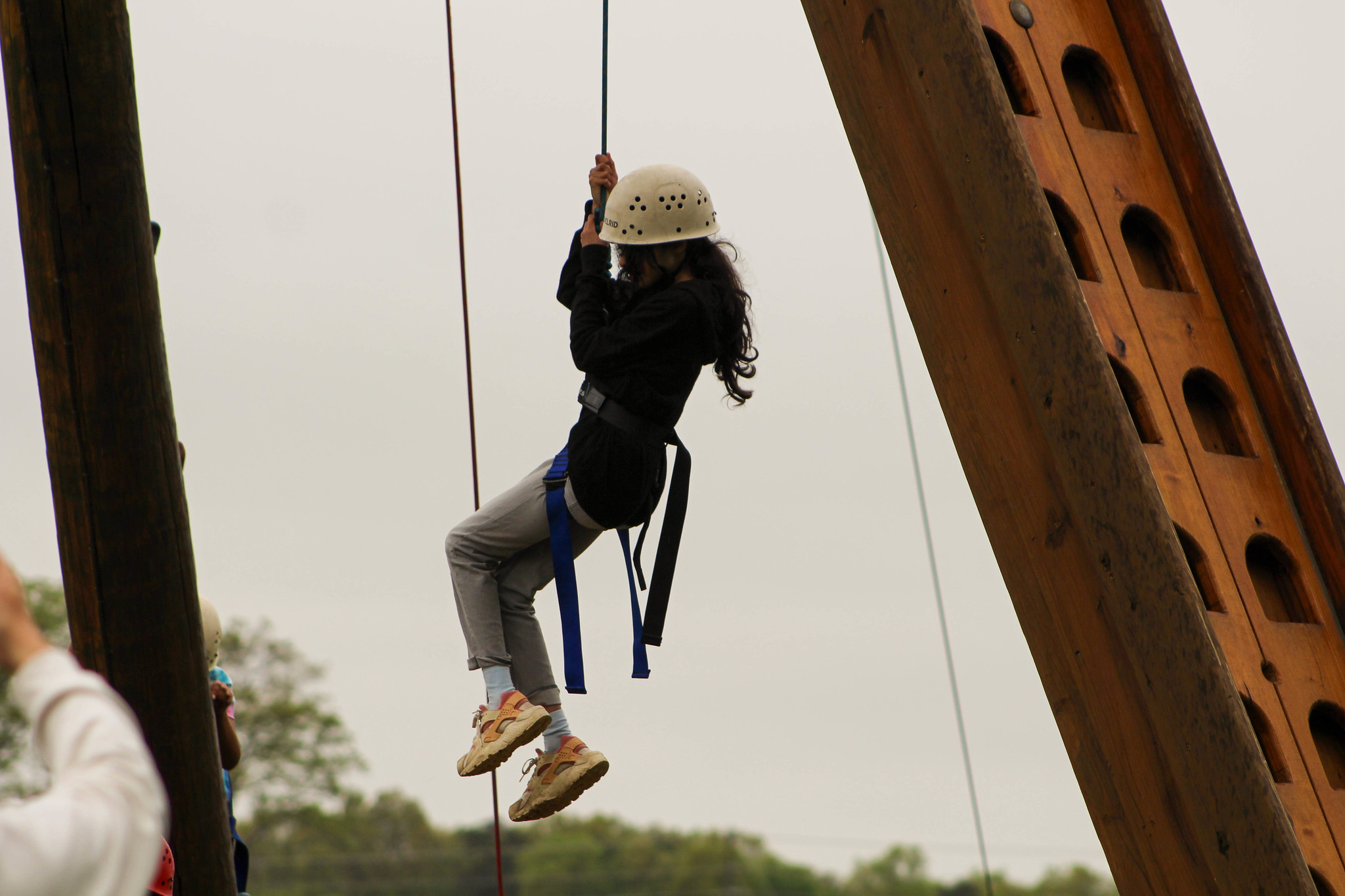
Through shared experiences, students build confidence, resilience, and a stronger sense of belonging — all while having fun.
Goals Shape Outcomes
EDGE facilitators work with educators to ensure program experiences are age-appropriate, purposeful, and supportive of broader school and classroom goals.
In addition to core teamwork skills, schools may request an added emphasis area when booking a program. A frequently requested focus area includes:
Social-Emotional Learning (SEL) skills:
- Frustration Tolerance
- Listening
- Understanding Different Perspectives
- Self-Management ,Self-Awareness
- Frustration Tolerance
Executive Functioning Skills
- Planning/Strategizing
- Goal Setting
- Resilience
- Decision Evaluation
- Perseverance & Effort
EDGE programs provide students with the opportunity to learn by doing — strengthening essential life skills that carry back into the classroom and beyond.